Intelligent Building Management System
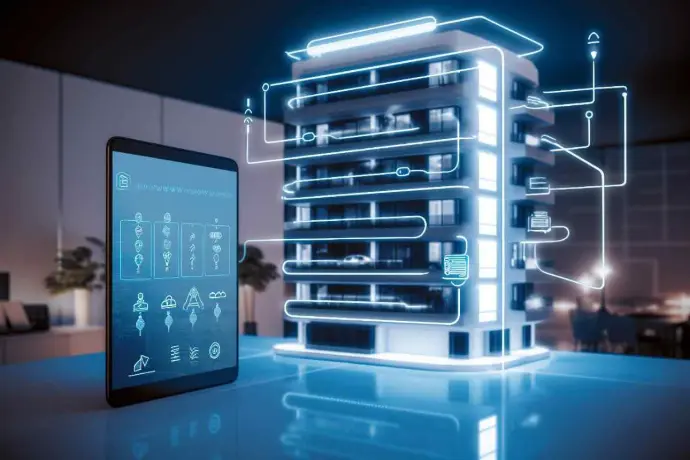
Modern buildings in India are expected to be energy-efficient, safe, compliant, and always-on—whether it’s a gated community, a hospital, a mall, an IT park, or a government facility. An Intelligent Building Management System (IBMS) (also called BMS / BAS) is a centralized, software-driven system that controls and monitors mechanical, electrical, safety, and security systems from a single command interface.
Why ACE Technologies for IBMS?
At ACE Technologies, we design and integrate IBMS solutions that help facility teams reduce operating costs, improve uptime, strengthen safety response, and deliver better occupant comfort—across single buildings to large multi-site campuses.
- End-to-end design + integration: from survey to commissioning.
- Open-protocol approach (wherever feasible) for future expansion.
- Scalable architecture: single building to township/campus.
- Operations-first engineering: dashboards, alarms, reports that facility teams actually use.
- Lifecycle support: AMC, remote assistance, optimization visits.
Industries We Serve
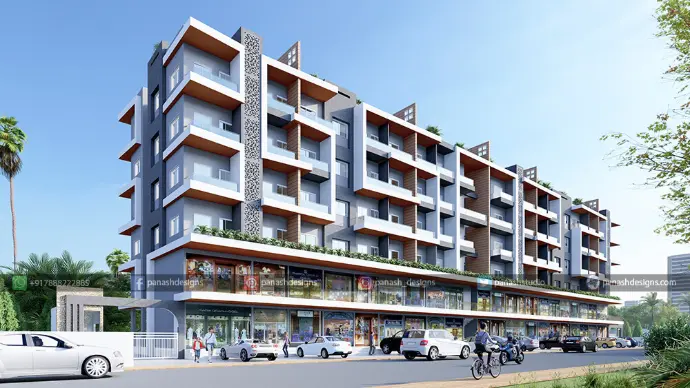
Residential Complexes Communities

Malls & Large Retail

IT Parks & Corporate Campuses

Hospitals & Healthcare
Core Components of an IBMS
Field Devices & Sensors
- Temperature, humidity, CO₂ / IAQ sensors.
- Pressure, differential pressure, airflow sensors.
- Energy meters power quality meters.
- Water flow meters, level sensors, leak detection.
- Smoke/heat interface points.
- Occupancy sensors for demand-based control.
IBMS Software Platform
- Central server + operator workstations.
- Graphical floor plans, equipment pages, live trends.
- Alarm/event management.
- Reports: energy, runtime, downtime, exceptions.
- Role-based access and audit trails.
Scalability
- HVAC
- Electrical
- Lighting control
- Fire & life-safety interfaces
- Security systems: access control, CCTV health monitoring, intrusion alarms.
- Elevator/escalator status
Controllers & Panels
- DDC/PLC controllers, I/O modules.
- VFD integration, actuator/damper control.
- Plant control panels.
Network & Gateways
- BACnet
- Modbus and OPC
- KNX and LonWorks

What is an IBMS?
An IBMS is a centralized integration layer that connects building sub-systems (HVAC, electrical, lighting, fire & life safety interfaces, security, water management, etc.) and provides:
- Unified dashboards (single-pane view of the entire facility)
- Real-time monitoring (status, alarms, trends)
- Automation & scheduling (smart control based on time/occupancy/conditions)
- Analytics & reporting (energy, equipment performance, compliance logs)
- Faster incident response (rule-based alerts and escalations)
In India, IBMS is increasingly deployed to support energy performance goals and operational efficiency initiatives in commercial and institutional buildings. The Bureau of Energy Efficiency (BEE) ECBC framework emphasizes improving building energy performance, and building automation/energy management is commonly used as part of efficiency strategies.
Benefits of Intelligent Building Management System
Lower Energy Bills & Better Sustainability
- Early warnings from trends (temperature drift, abnormal runtime, overloads).
- Alarm escalation to maintenance teams.
- Faster isolation of faulty equipment and root-cause visibility.
Higher Uptime & Faster Fault Response
- One command centre for multiple buildings/blocks.
- Standardized operating procedures across sites.
- Reduced manpower pressure through automation.
Improved Safety & Operational Governance
- Event correlation across systems (for example, security + utilities).
- Audit trails for operator actions and alarms.
- Reporting for management reviews and compliance documentation.
Centralized Control for Large Sites
- One command centre for multiple buildings/blocks.
- Standardized operating procedures across sites.
- Reduced manpower pressure through automation.
Better Occupant Comfort & Experience
- Stable temperature/air quality.
- Fewer breakdowns and service disruptions.
- Improved ambience and consistency in common areas.
Frequently asked questions
Commonly: HVAC, electrical/energy metering, lighting control, water/pumps, security systems, and approved life-safety interfaces—depending on your building design and compliance requirements.
No. Even mid-size residential complexes, hospitals, and corporate buildings benefit from automation, energy visibility, and centralized alarm handling—IBMS can be scaled to budget and scope.
BACnet, Modbus, KNX, LonWorks, and OPC are commonly used in building systems, often connected through gateways for interoperability.
Yes—through scheduling, demand-based control, and continuous monitoring that identifies wastage and inefficiencies.
Yes. A well-designed IBMS uses a modular architecture and open integration so you can add blocks, plants, meters, and new systems over time.
They serve different purposes. IBMS/BMS manages facility infrastructure; DCIM adds IT/asset/capacity views. Many operators integrate both for unified operational intelligence.